Korean Hair Salon vs Western Hair Salon: What's Different?
Korean Hair Salon vs. Western Hair Salon: What's Different?
Understanding the differences between Korean and Western hair salons can help you set the right expectations for your next visit. While both aim to make you look your best, the philosophy, service culture, and technical focus often differ significantly.
1. Philosophy: Scalp Health vs. Hair Manageability
One of the most fundamental differences lies in what is considered the "foundation" of hair care.
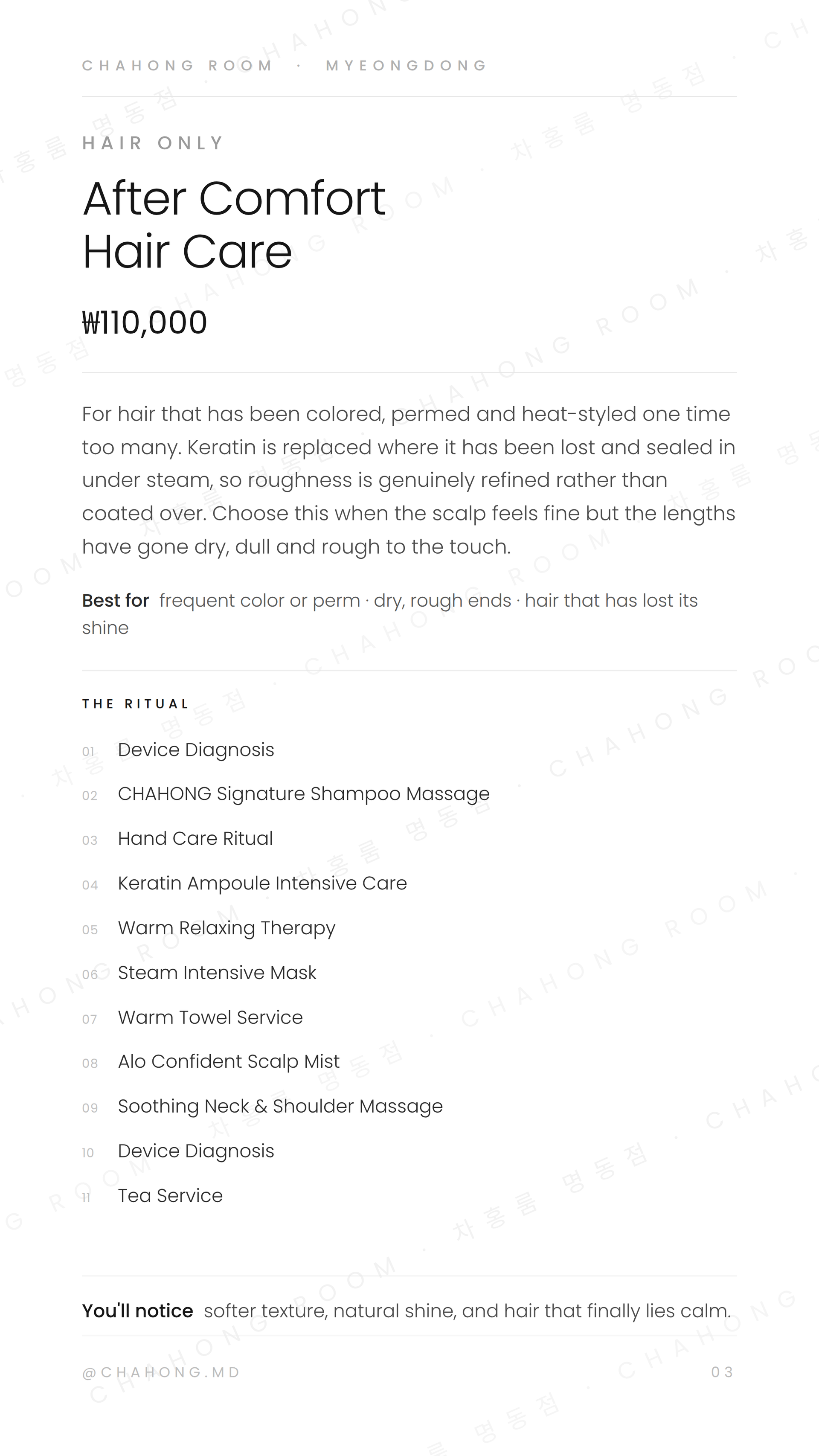
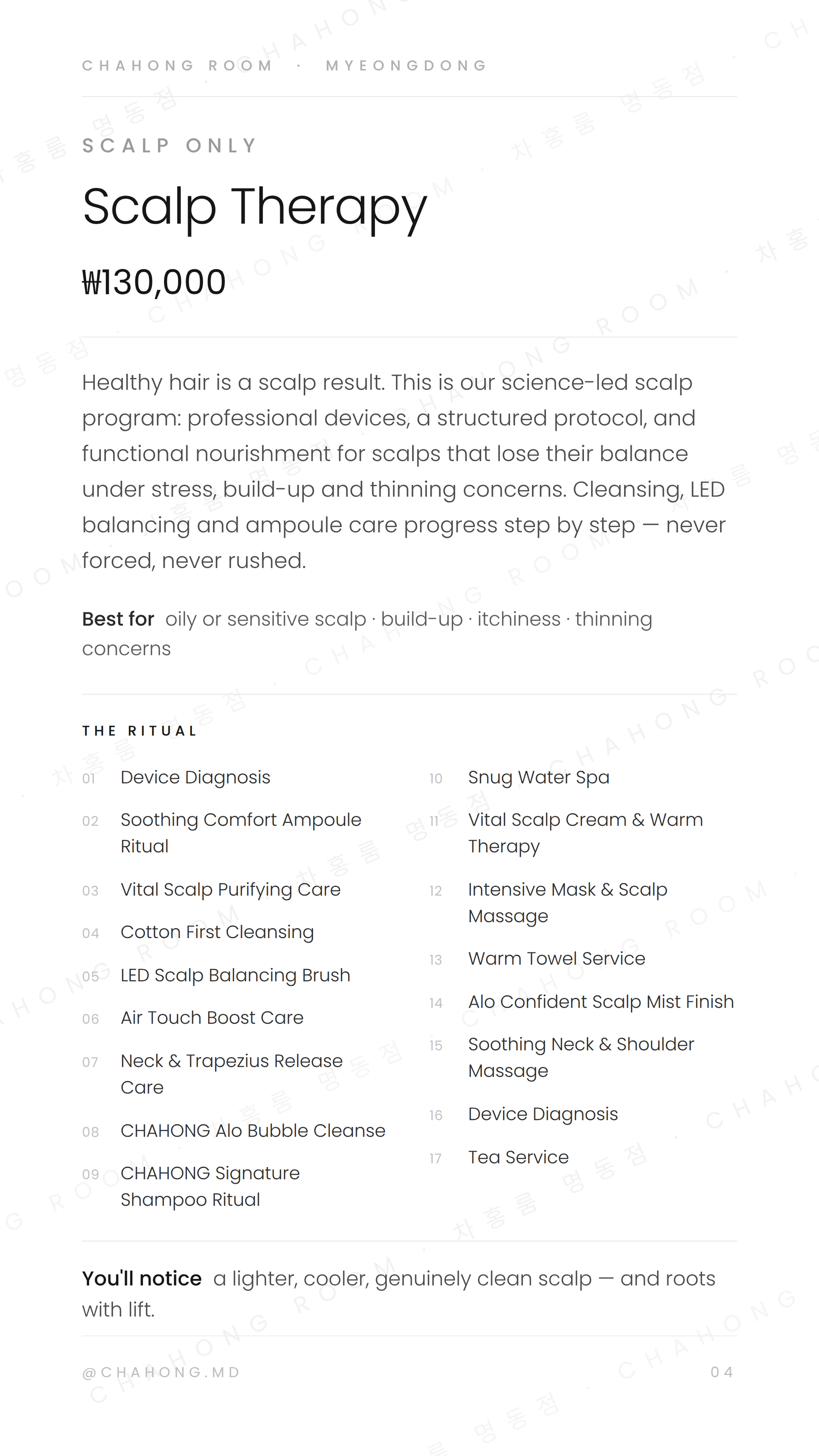
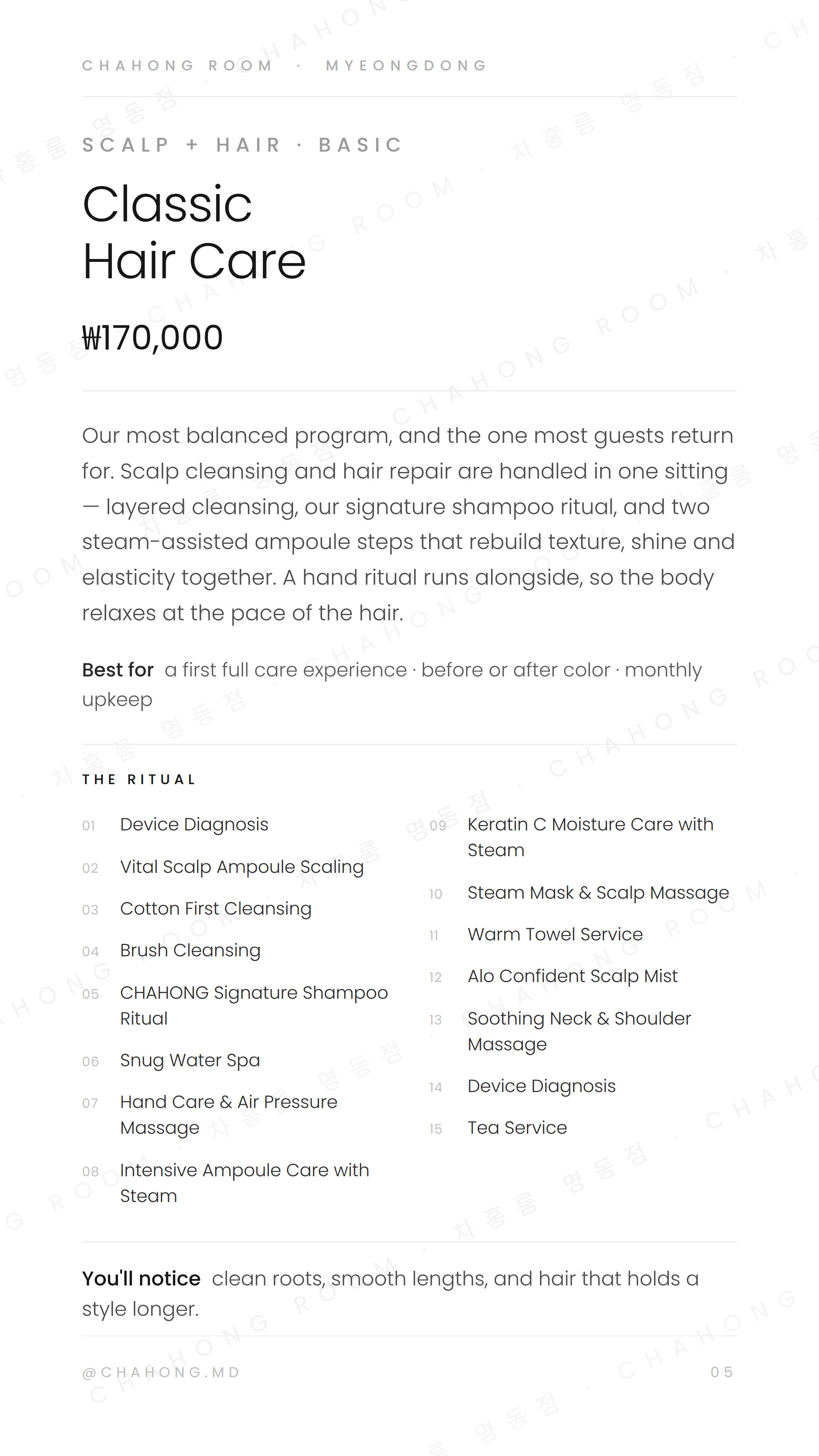
- Korean Focus: The emphasis is heavily placed on scalp health. Korean beauty standards view a healthy, clean scalp as the prerequisite for beautiful, shiny hair. This is why services like "scalp scaling" and head spas are standard offerings rather than rare add-ons.
- Western Focus: Western salons typically prioritize the manageability and aesthetics of the hair strands themselves. While scalp health is gaining attention, it is often treated as a secondary concern compared to the texture, color, and styling of the hair.
2. Service Culture: The "VIP" Experience
The level of service in Korea is often described as high-touch and pampering, even at standard price points.
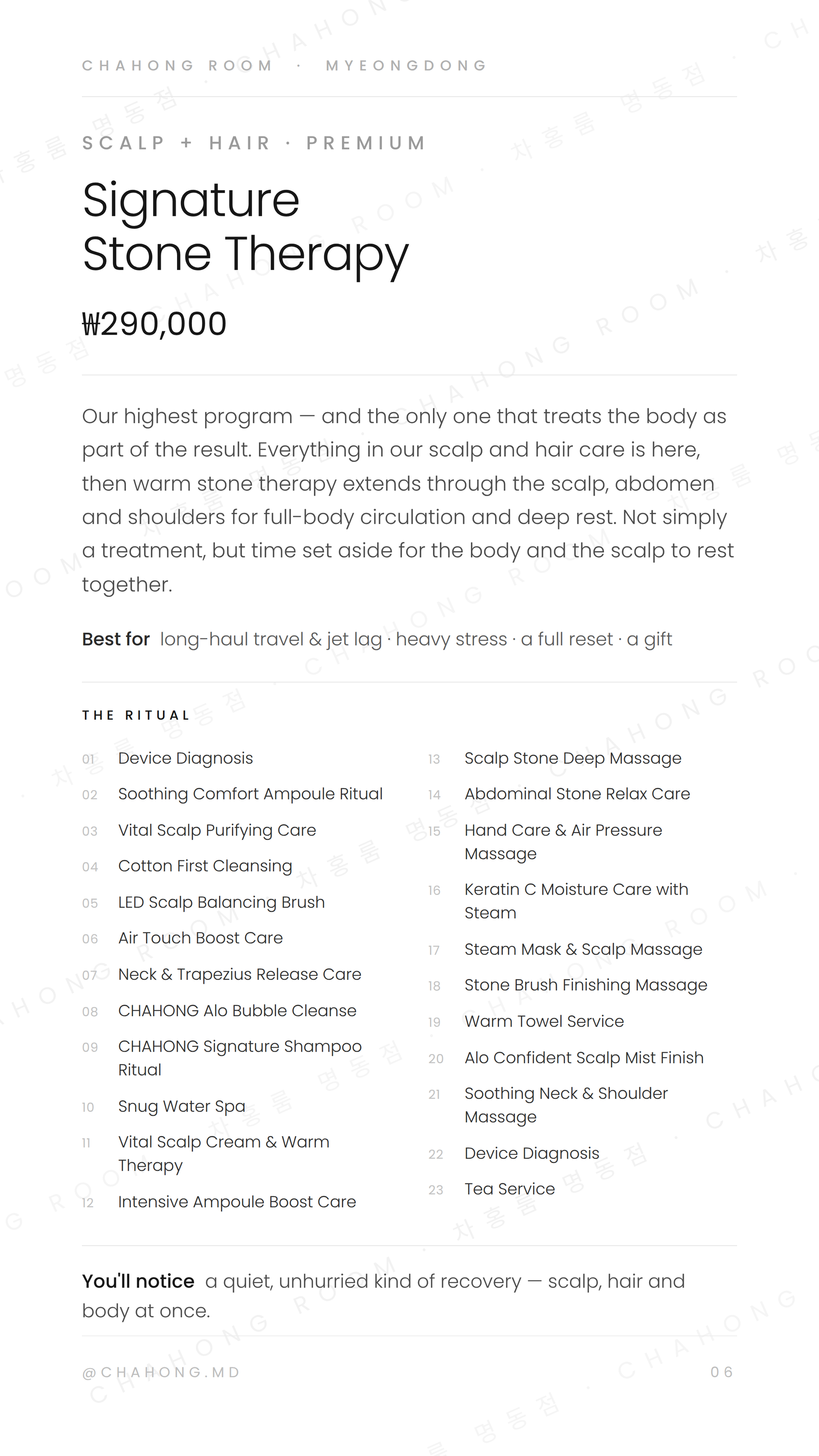
- Complimentary Extras: In Korea, it is standard to be offered beverages and snacks.You might also receive hand massages, neck and shoulder massages during the shampooing process, and personalized storage for your belongings.
- The Team Approach: In many larger Korean salons, you may have a team of 2–3 staff members working on you simultaneously to ensure the process is efficient and thorough.
- No Tipping: A significant difference for North American travelers is the absence of a tipping culture. The price quoted is the price you pay, making the billing process straightforward and transparent.
3. Consultation and Styling Techniques
Korean stylists follow a distinct methodology when it comes to cutting and coloring.
- The Consultation: Korean stylists often dedicate 15–20 minutes to a face-to-face consultation. They analyze your face shape, hair texture, and lifestyle habits to find your "life hair" (a style that defines you).
- Cutting for Movement: While Western cuts may focus on removing weight or creating sharp, geometric lines, Korean cutting techniques often aim to create "airy" volume and soft, face-framing layers that maintain fullness while adding movement.
- Coloring Goals: Korean color services often emphasize natural-looking dimensions, such as ash-browns, beige-browns, and soft balayage, focusing on maintaining hair shine and softness over dramatic, high-contrast transformations.
4. Technical Specialization
- Asian Hair Textures: Korean salons are masters at working with Asian hair, which tends to be thicker and straighter. If you have fine, curly, or highly textured non-Asian hair, it is vital to check portfolios in advance or choose a salon that specifically markets itself as "foreigner-friendly" to ensure the stylist has experience with your specific hair type.
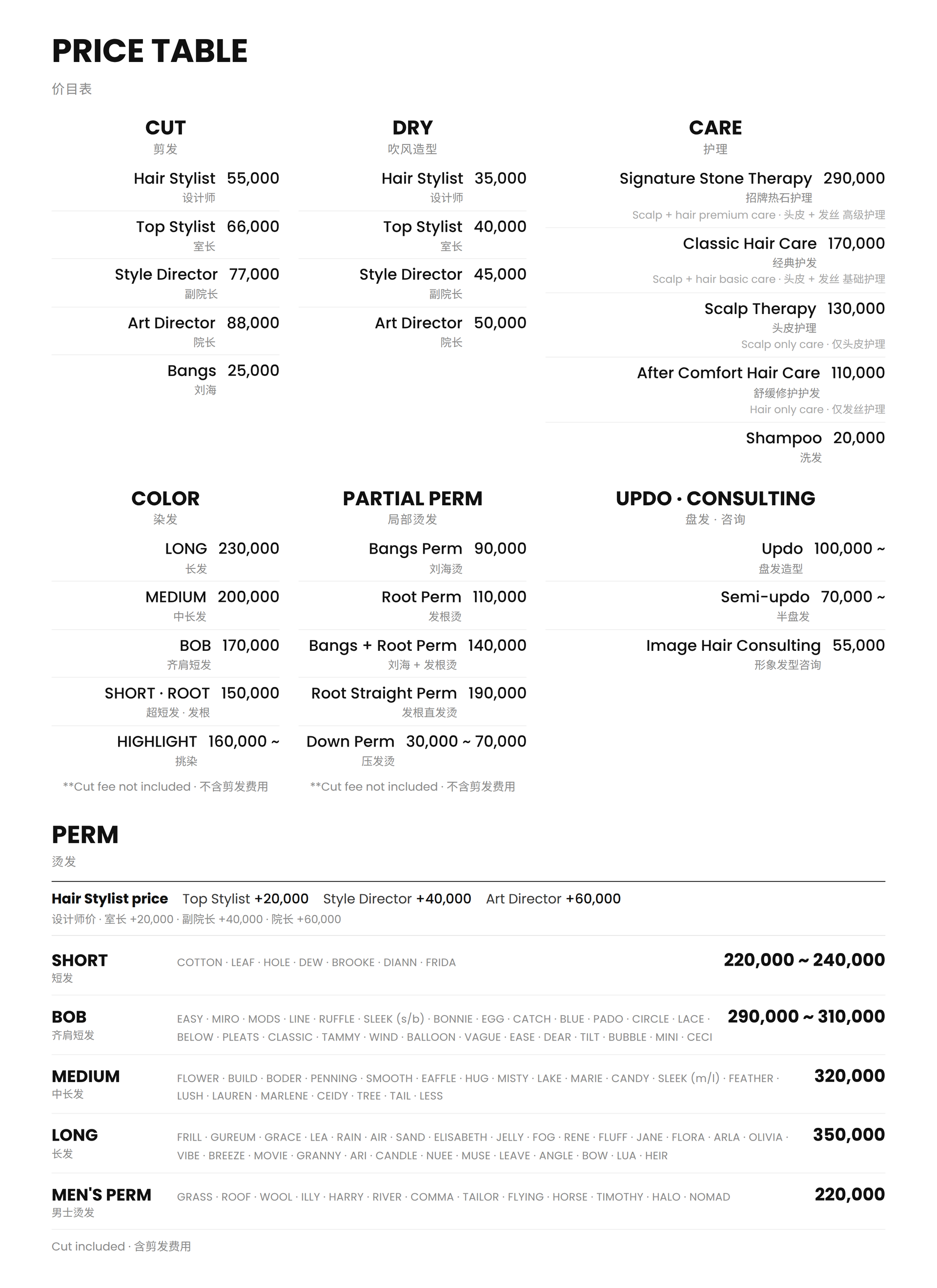
- Perming Expertise: Korean digital and root perms are world-famous for creating soft, natural-looking waves. These techniques are often more advanced and frequently requested than the tighter, more structural perms historically popular in some Western regions.
5. Accessibility to Top Talent
A unique aspect of the Korean salon industry is the accessibility of high-level stylists.
- Celebrity Stylists: You can often book an appointment with the same designer who styles top K-pop idols or actors without needing VIP status. In many Western countries, high-profile celebrity stylists are often inaccessible to the general public or require long waiting lists and higher barriers to entry.
Final Thoughts: Choosing Your Experience
If you are looking for a relaxing, high-tech, and pampering experience that focuses on long-term scalp health and natural, voluminous styles, a Korean salon is an excellent choice. However, if you have highly specific hair textures or require very specific Western coloring techniques, it is best to research salons that explicitly cater to international clients to ensure the best possible outcome for your hair type.