How Often Should You Get a Hair Treatment?
How Often Should You Get a Hair Treatment?
Determining the ideal frequency for professional hair treatments can be confusing. While a gorgeous blowout or a multi-step Korean hair clinic leaves your locks feeling incredible, the results eventually fade. Striking the right balance depends entirely on your hair’s structural condition, chemical history, and daily styling habits.
1. General Guidelines Based on Hair Type
Your hair’s natural texture and porosity dictate how quickly it loses moisture and structural integrity.
- Fine or Healthy Virgin Hair: Every 4 to 6 weeks. Fine hair easily gets weighed down by heavy residues, so a monthly maintenance session keeps strands light, balanced, and strong.
- Coarse, Curly, or Textured Hair: Every 2 to 3 weeks. Because natural scalp oils struggle to travel down curved hair shafts, these hair types dry out rapidly and demand frequent, intensive moisture replenishment.
- Normal or Wavy Hair: Every 3 to 4 weeks is the sweet spot to preserve natural elasticity and environmental resilience.
2. Factoring in Chemical Services and Damage
If your hair undergoes regular chemical processing, standard maintenance timelines must be accelerated.
- Bleached and High-Lift Blondes: Every 2 weeks. Bleach strips the internal protein matrix and opens the cuticle permanently, requiring bi-weekly bonding or repair clinics to prevent snapping.
- Color-Treated Hair: Every 3 to 4 weeks. Regular treatments lock in artificial color pigments, minimize fading, and smooth down cuticles roughened by oxidative dyes.
- Heat-Styled Hair: Every 3 to 4 weeks. Daily use of flat irons or curling wands above safe thermal thresholds breaks down internal proteins rapidly, necessitating consistent salon support.
3. Scalp Care vs. Strand Treatment Schedules
It is crucial to separate the needs of your roots from the needs of your ends.
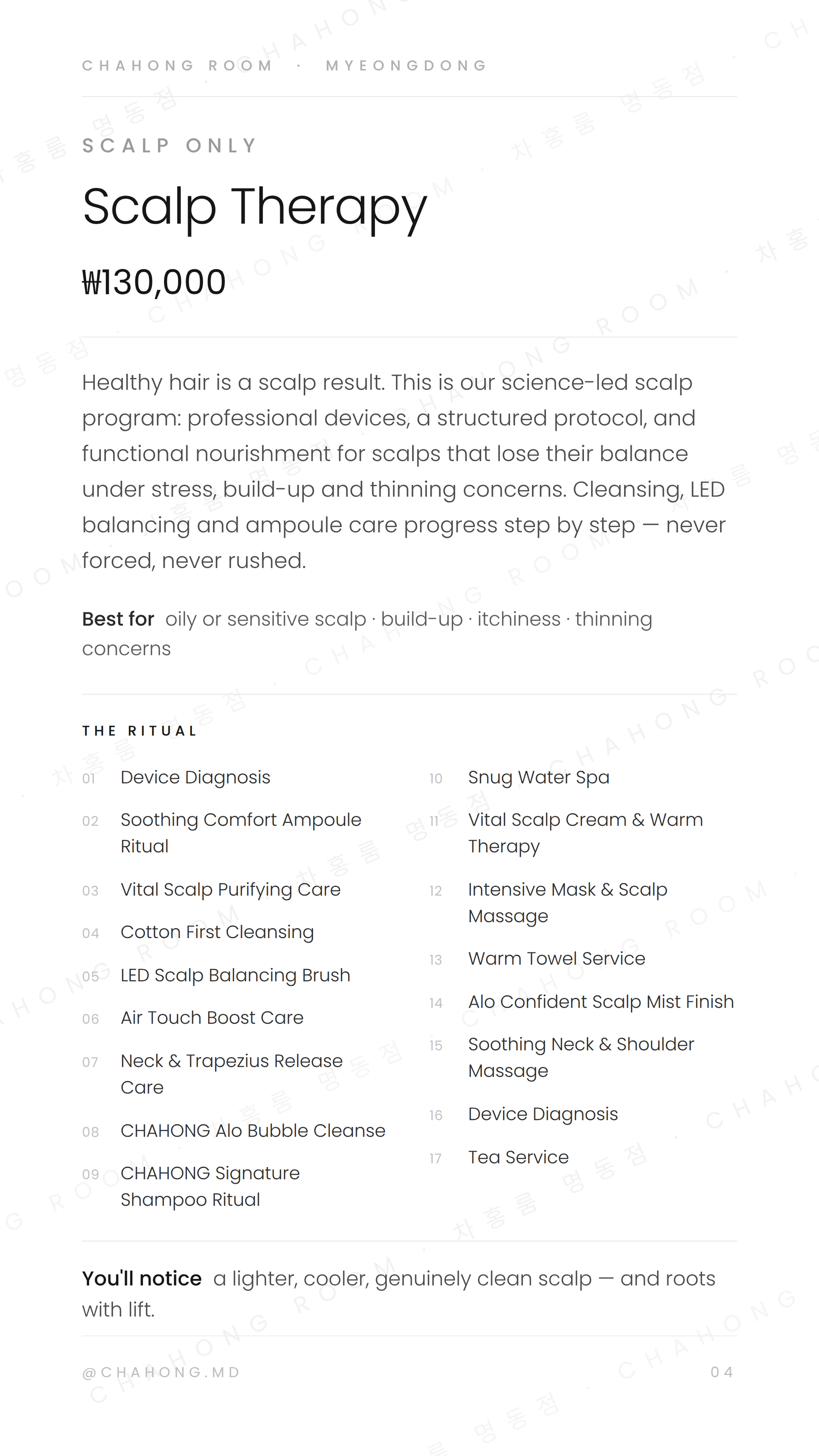
- Scalp Scaling and Detox: Every 4 to 6 weeks. This matches the natural skin cell turnover cycle, clearing out excess sebum, dead skin, and fine dust accumulation before follicles become congested.
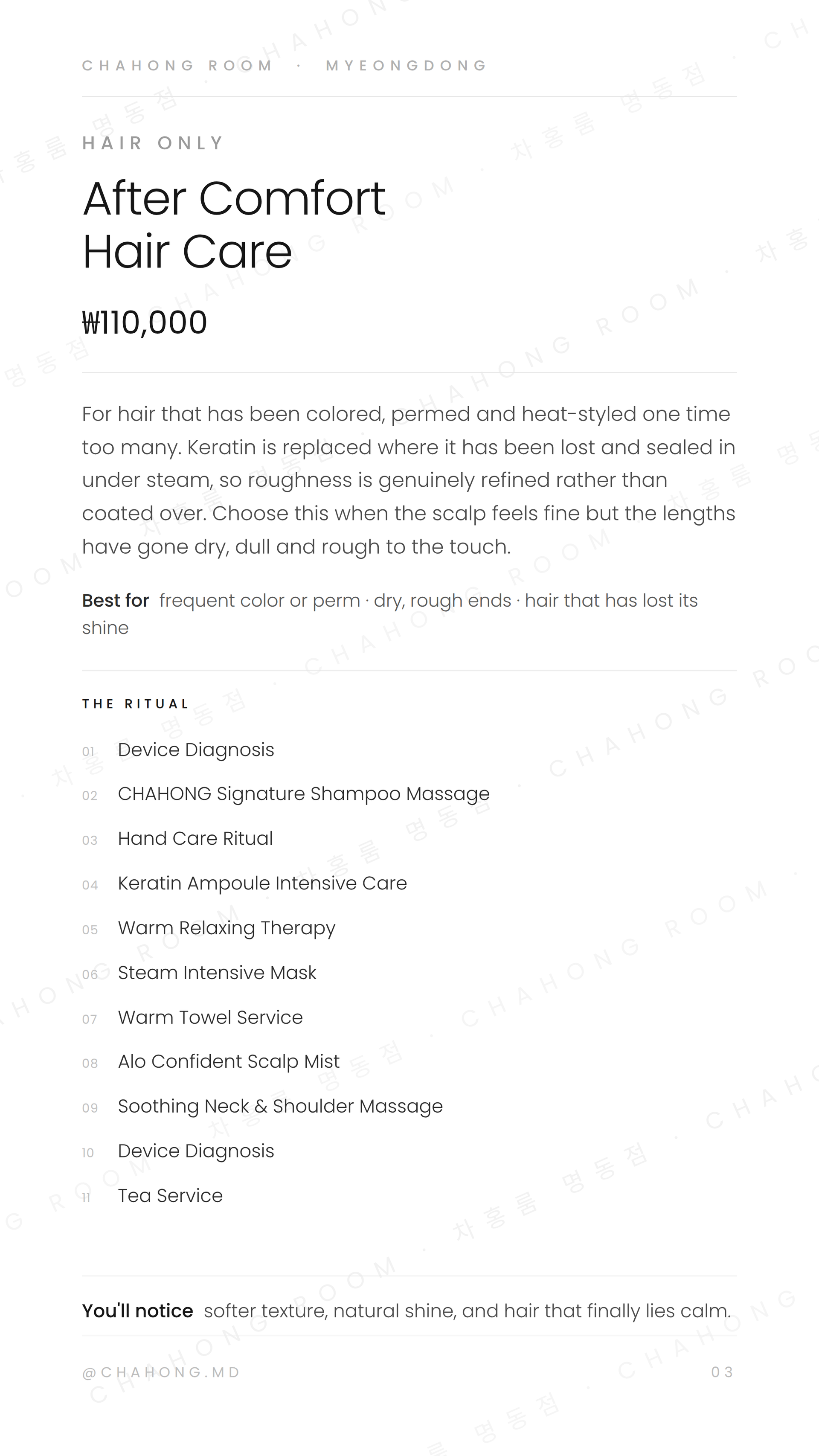
- Deep Conditioning / Hair Clinics: Every 2 to 4 weeks. While at-home masks help, professional nano-mist or ultrasonic infusions provide deep molecular repair that standard conditioners cannot replicate.
4. Aligning Treatments with Regular Salon Visits
To avoid making extra trips to the salon, streamline your maintenance schedule by combining services.
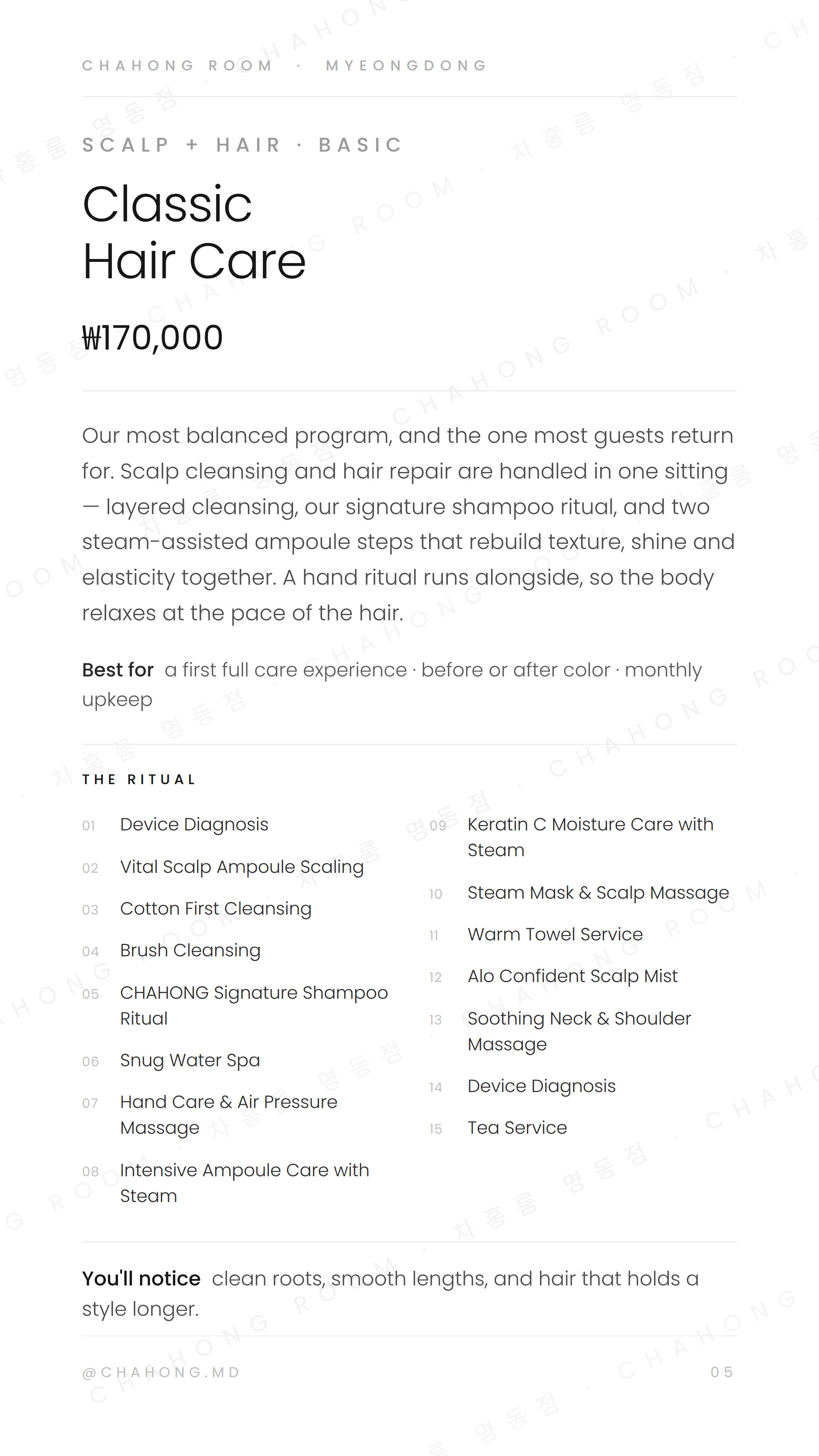
- The "Bundle" Strategy: Whenever you book a root touch-up, color refresh, or digital perm, always add a multi-step hair clinic to the end of the session.
- The Cut-and-Treat Rhythm: Pairing your standard 6-to-8-week haircut with a deep repair treatment ensures that split ends are snipped away and the remaining length is heavily fortified.
5. Listening to Your Hair's Signals
Sometimes, rigid timelines take a backseat to how your hair actually feels and behaves.
- Signs You Are Overdue: If your hair feels like cotton candy when wet, tangles uncontrollably, refuses to hold a style, or looks consistently dull despite using good products, it is time for an immediate clinic session.
- Avoiding Over-Proteinization: More is not always better. If you use intense protein treatments too frequently without enough moisture, hair can become stiff and brittle. Alternate between moisture and protein care based on professional diagnosis.
Final Thoughts: Consistency Beats Correction
Maintaining healthy, glossy hair is much easier through consistent, preventative maintenance than trying to rescue severely fried strands later. Establishing a predictable treatment rhythm keeps your hair structurally resilient and ready to handle whatever styling or environmental stress comes your way.