How to Fix Damaged Hair After Bleaching
How to Fix Damaged Hair After Bleaching
Bleaching opens and strips the hair cuticle, leaving strands porous, fragile, and prone to breakage. Reversing this damage requires a shift toward intensive moisture, structural reinforcement, and gentle handling. Drawing on professional K-beauty care philosophies, here is how to nurse bleach-damaged hair back to health.
1. Immediate Post-Bleach Recovery Rules
The first few weeks after a bleaching session are critical for preventing permanent structural compromise.
- The 48-Hour Wash Window: Wait at least 48 hours before your first shampoo to allow the hair cuticle to contract and the new color pigments to lock in fully.
- Reduce Washing Frequency: Wash your hair only 2 to 3 times a week. Over-washing strips away the minimal natural oils your scalp produces, which fragile, bleached strands desperately need for protection.
- Switch to Lukewarm Water: Always rinse with lukewarm or cool water. Hot water forces the compromised cuticle open, leading to further moisture loss and color fading.
2. Advanced Bond-Building and Protein Care
Surface-level conditioners are not enough to fix internal chemical damage; you need targeted molecular repair.
- Incorporate Bond-Builders: Use at-home bond-repair treatments (such as K18, Olaplex, or WellaPlex) once a week to reconnect broken disulfide bonds within the hair cortex.
- Protein-Moisture Balance: Bleached hair loses both protein and moisture. Alternate between a protein-rich repair mask and a deeply hydrating, moisture-focused mask to prevent hair from becoming brittle or mushy.
- Target the Ends: Concentrate all rich masks and heavy conditioning treatments from the mid-lengths to the ends, where damage is most severe.
3. Protective Styling and Mechanical Care
Wet bleached hair stretches like rubber and snaps easily, requiring a gentler daily handling routine.
- Ditch Regular Towels: Swap abrasive cotton towels for a microfiber towel or a soft cotton t-shirt to blot—never rub—excess water out of your hair.
- Wide-Tooth Detangling: Never brush wet hair aggressively. Use a flexible, wide-tooth detangling comb, starting gently from the ends and working your way up to the roots.
- Silk or Satin Pillowcases: Sleep on a silk or satin pillowcase to minimize friction, reduce overnight frizz, and prevent fragile strands from snapping.
4. Minimizing Heat and Environmental Stress
External aggressors can rapidly degrade chemically treated hair if proper precautions aren't taken.
- Lower the Heat Settings: Avoid high-temperature styling entirely. If you must use a blow-dryer or curling iron, use the lowest heat setting and always apply a thermal protectant spray first.
- UV and Chlorine Shields: Wear a hat outdoors during peak sun hours, as UV rays break down bleached hair proteins. If swimming, coat your hair in a leave-in conditioner beforehand to block chlorine absorption.
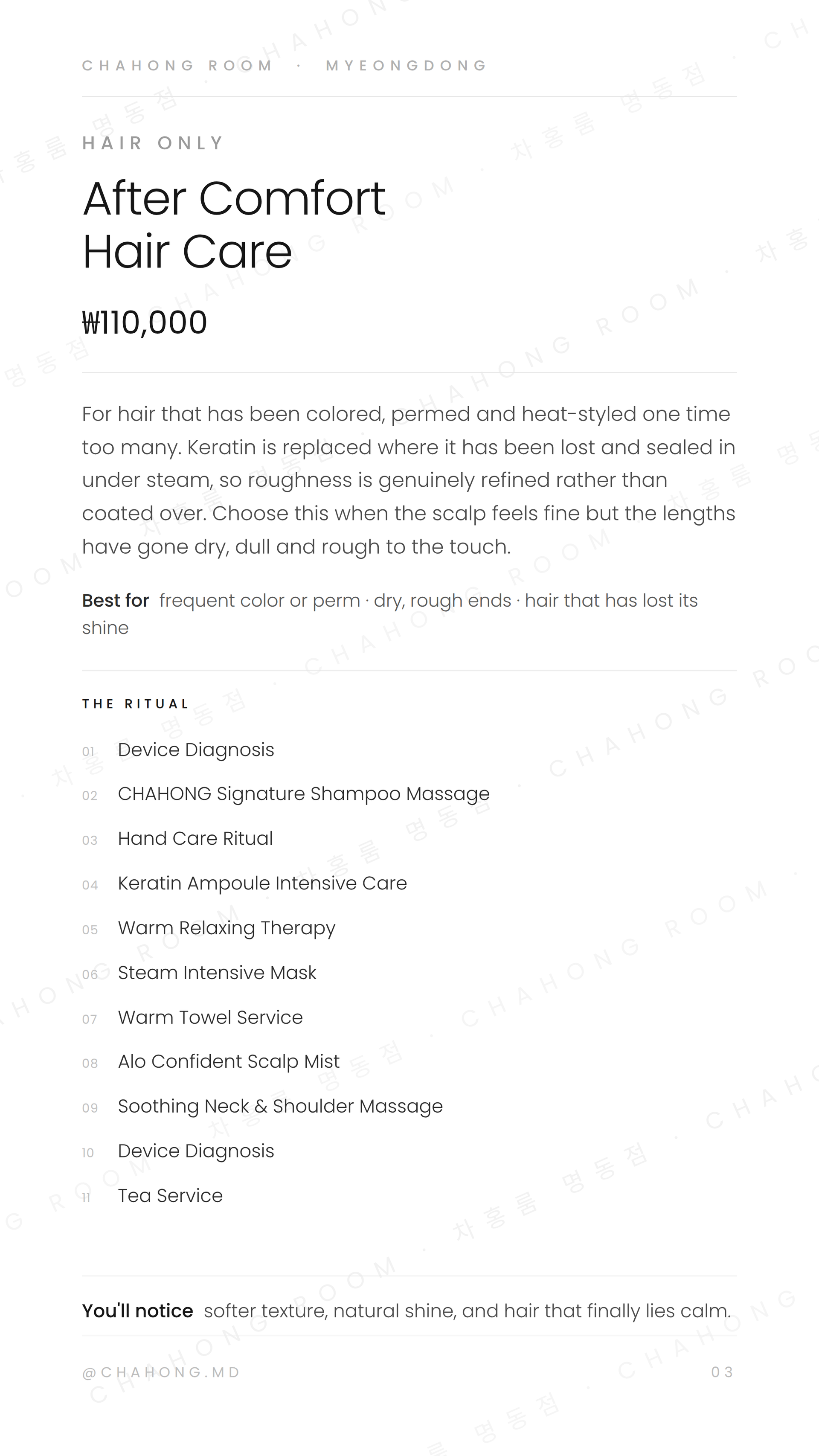
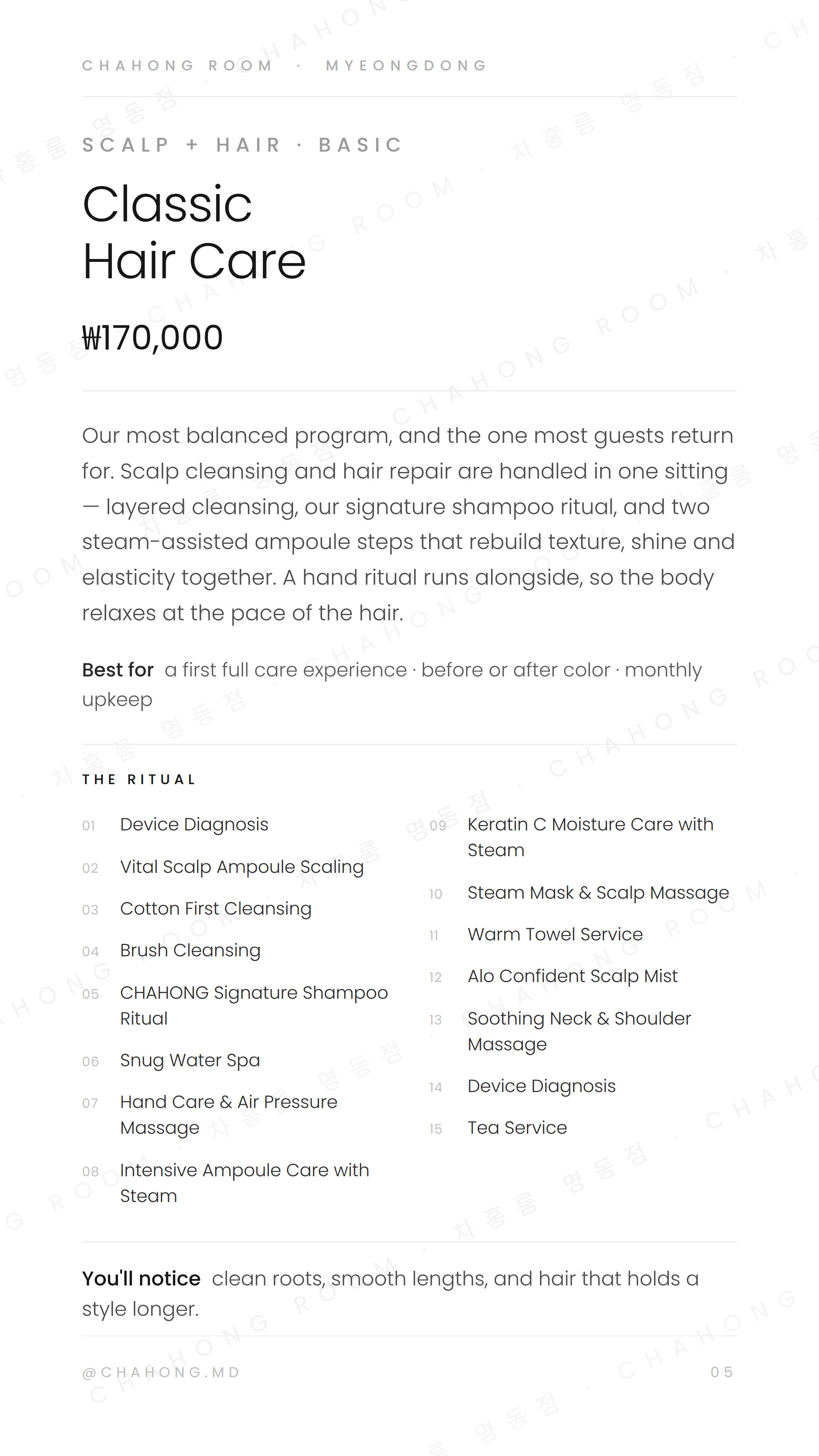
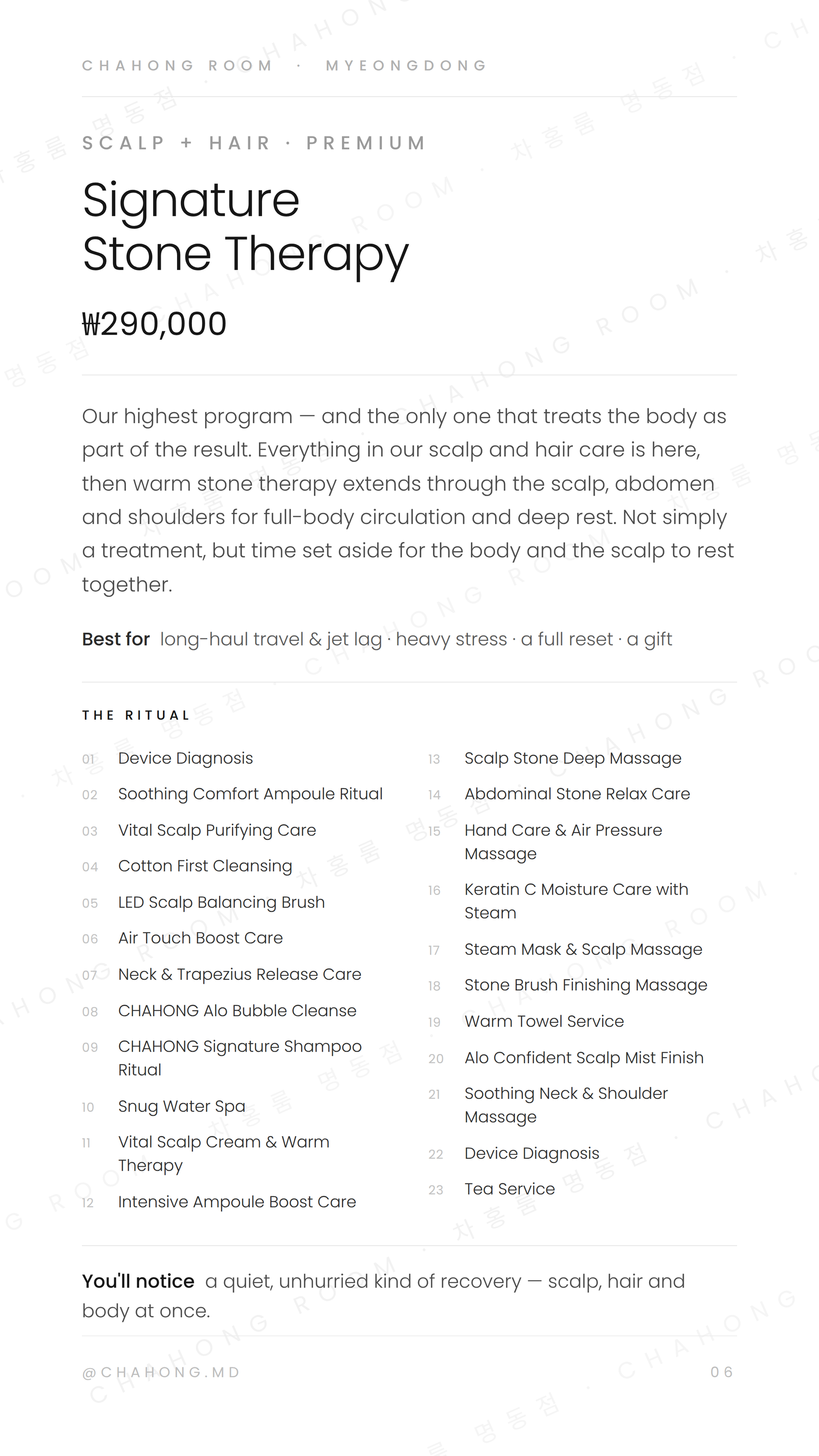
- Professional Gloss Touch-ups: Visit a salon for a clear gloss or a professional multi-step "hair clinic" treatment to seal the cuticle and restore smooth manageability.
5. Strategic Trimming and Patience
Sometimes, the only true fix for severely fried, chemically burnt hair is a physical reset.
- Dust the Ends Regularly: Get micro-trims every 6 to 8 weeks to snip off split ends before they travel further up the hair shaft.
- Embrace a Big Chop: If the damage extends deep and the hair texture feels like cotton candy when wet, consult a trusted stylist for a major cut to start fresh with healthy growth.
- Avoid Further Chemical Services: Put a complete pause on perms, smoothing treatments, or additional bleaching until your hair regains its elasticity and strength.
Final Thoughts: Consistency is Everything
Repairing bleach-damaged hair is a marathon, not a sprint. By shifting your routine to focus on deep hydration, bond repair, and minimal physical stress, you can restore that coveted glossy, silky finish. Patience and a dedicated homecare regimen will gradually transform brittle strands back into healthy, resilient hair.